
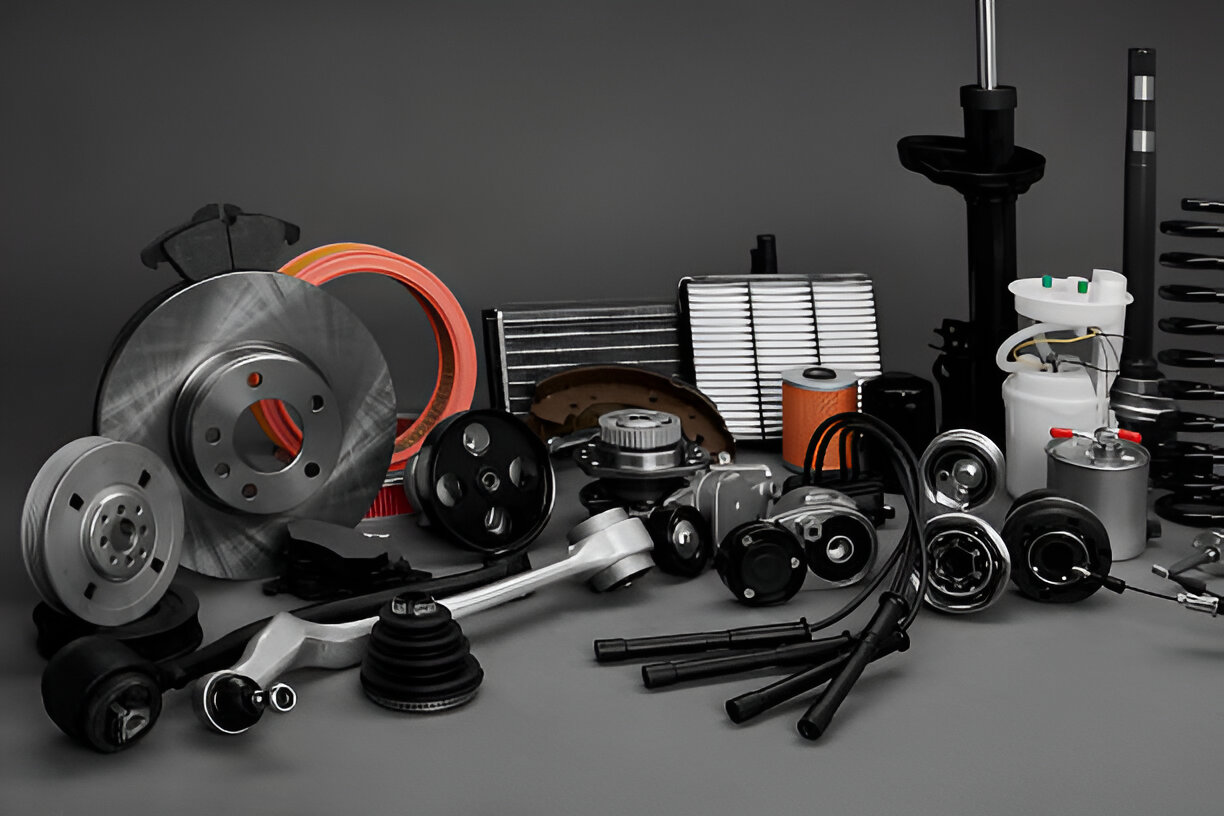
Spare parts are fundamental to the smooth operation and longevity of machinery, equipment, and vehicles across various industries. Whether it’s an automotive engine or an industrial machine, spare parts ensure that any system can continue functioning effectively with minimal downtime. Their importance in maintaining productivity, reducing costs, and ensuring safety cannot be overstated.
The Importance of Spare Parts in Various Industries
- Preventing Downtime: One of the most significant roles of spare parts is preventing downtime. When a machine or vehicle breaks down, every minute of non-operation can lead to financial losses. Having spare parts readily available allows technicians to fix the problem quickly and get the system up and running again, minimizing the disruption to business operations. In sectors like manufacturing, where production lines operate continuously, even a small delay can result in significant financial losses.
- Increasing Equipment Lifespan: Machines and equipment naturally experience wear and tear over time. However, with the right spare parts, businesses can extend the lifespan of their equipment. Regular maintenance and timely replacement of worn-out components help avoid major breakdowns and the need for more extensive, costly repairs. This not only saves money but also maximizes the return on investment in expensive equipment.
- Safety and Compliance: In industries like automotive, aerospace, and heavy machinery, the use of high-quality spare parts is essential for safety. Faulty or substandard components can lead to accidents or malfunctions that put workers or users at risk. Using certified spare parts ensures that machines operate safely and comply with industry regulations and standards.
Types of Spare Parts
Spare parts can vary greatly depending on the machinery or vehicle in question. Some common categories include:
- Mechanical Parts: These include gears, belts, bearings, and seals that are used in various machines and vehicles.
- Electrical Components: Motors, switches, and wiring fall under this category, and they are crucial for the operation of electrical and electronic systems in industrial settings.
- Hydraulic Parts: For machinery that relies on hydraulic systems, spare parts such as valves, pumps, and hoses are vital for ensuring smooth and reliable operation.
- Consumables: Items like filters, lubricants, and gaskets that need to be replaced regularly also fall under spare parts.
The Role of a Reliable Spare Parts Supplier
Having a reliable supplier for spare parts is critical. A trusted supplier not only ensures that the parts are of the highest quality but also provides them promptly when needed. Downtime due to a lack of parts can be costly, so companies that invest in a reliable spare parts network are more likely to stay competitive in their respective industries.
Furthermore, companies are increasingly turning to online platforms and digital solutions to manage their spare parts inventory. This allows for better tracking of parts, faster ordering, and reduced stock levels, all of which lead to cost savings.
Conclusion
In summary, spare parts are the backbone of industrial operations and the automotive sector. They ensure that equipment runs efficiently, safely, and for as long as possible. By investing in quality spare parts and maintaining a solid supply chain, businesses can minimize downtime, increase safety, and enhance the overall performance of their operations. In today’s competitive market, the importance of spare parts cannot be underestimated.