
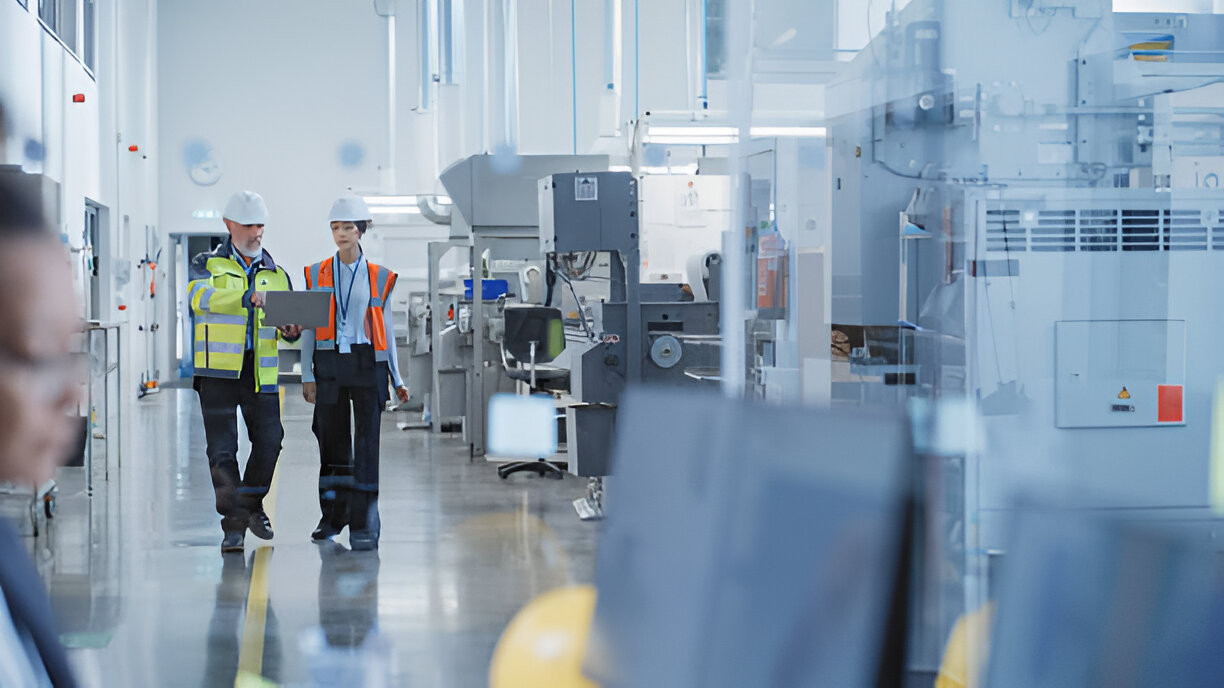
Industrial equipment plays a pivotal role in various sectors, acting as the backbone of manufacturing, construction, energy production, and more. This essential machinery is designed to perform heavy-duty tasks, streamline production processes, and ensure operational efficiency. The importance of industrial equipment cannot be overstated, as it is the driving force behind large-scale industrial operations that power economies, support infrastructure, and fuel global development.
Key Role of Industrial Equipment in Modern Industry
- Increased Efficiency and Productivity: One of the primary reasons companies invest heavily in industrial equipment is to boost efficiency and productivity. Machines such as conveyors, forklifts, cranes, and industrial robots reduce the need for manual labor and allow for continuous, uninterrupted production. Automated equipment can operate at high speeds, with precision and consistency, leading to faster turnaround times and increased output. This efficiency directly impacts profitability, allowing businesses to produce more while minimizing operational costs.
- Precision and Consistency: In industries such as automotive, aerospace, and electronics, precision is paramount. Industrial equipment is designed to execute tasks with a high degree of accuracy, ensuring that parts are manufactured to exact specifications. For example, CNC (Computer Numerical Control) machines are widely used for cutting, shaping, and machining materials with extreme precision, ensuring consistency in production. The ability to replicate processes with minimal variance results in higher-quality products and fewer defects.
- Safety and Risk Mitigation: Industrial equipment also plays a crucial role in enhancing workplace safety. Modern machinery is equipped with advanced safety features that reduce the risk of accidents and injuries. From automated shutdowns to sensors and alarms, industrial equipment helps in preventing hazardous situations, especially in high-risk environments like chemical plants, oil refineries, and heavy construction sites. In addition, by taking on dangerous tasks, equipment reduces the need for workers to perform risky manual labor, further improving safety outcomes.
- Cost-Effectiveness: Although the initial investment in industrial equipment may be high, the long-term benefits far outweigh the costs. With proper maintenance, industrial equipment has a long operational lifespan, reducing the need for frequent replacements. Automated systems lower labor costs by reducing the number of workers needed to perform repetitive or dangerous tasks. Moreover, modern machinery is often designed with energy efficiency in mind, helping businesses save on energy costs and reduce their carbon footprint.
Types of Industrial Equipment
Industrial equipment comes in many forms, each tailored to meet the specific needs of various industries:
- Material Handling Equipment: Includes forklifts, conveyors, cranes, and hoists used to move, lift, and transport materials efficiently within industrial facilities.
- Machining Equipment: CNC machines, lathes, and milling machines are examples of equipment used to shape, cut, and mold materials like metal, plastic, and wood.
- Construction Equipment: Bulldozers, excavators, and loaders are essential for large-scale construction projects, enabling rapid site preparation and development.
- Energy Generation Equipment: Generators, turbines, and boilers are critical in power plants and other energy production facilities, helping convert raw materials into usable energy.
Innovation in Industrial Equipment
Technological advancements are driving innovation in the field of industrial equipment. Automation, robotics, and artificial intelligence (AI) are transforming traditional equipment into smart machines capable of self-monitoring, diagnosing issues, and optimizing their performance in real-time. For example, predictive maintenance systems can alert operators to potential equipment failures before they occur, reducing downtime and preventing costly repairs.
Additionally, the integration of the Internet of Things (IoT) allows industrial equipment to communicate and collaborate with other machines and systems, enhancing overall efficiency and productivity. These innovations are helping industries stay competitive by improving their operational capabilities and reducing inefficiencies.
Conclusion
Industrial equipment is the cornerstone of modern industry, facilitating large-scale production, construction, and energy generation. It enhances efficiency, boosts productivity, and ensures safety in the workplace. As technology continues to advance, industrial equipment will become even more intelligent, reliable, and cost-effective, further cementing its critical role in the global economy. Investing in high-quality, innovative industrial equipment is essential for any business looking to remain competitive and thrive in today’s fast-paced industrial landscape.