
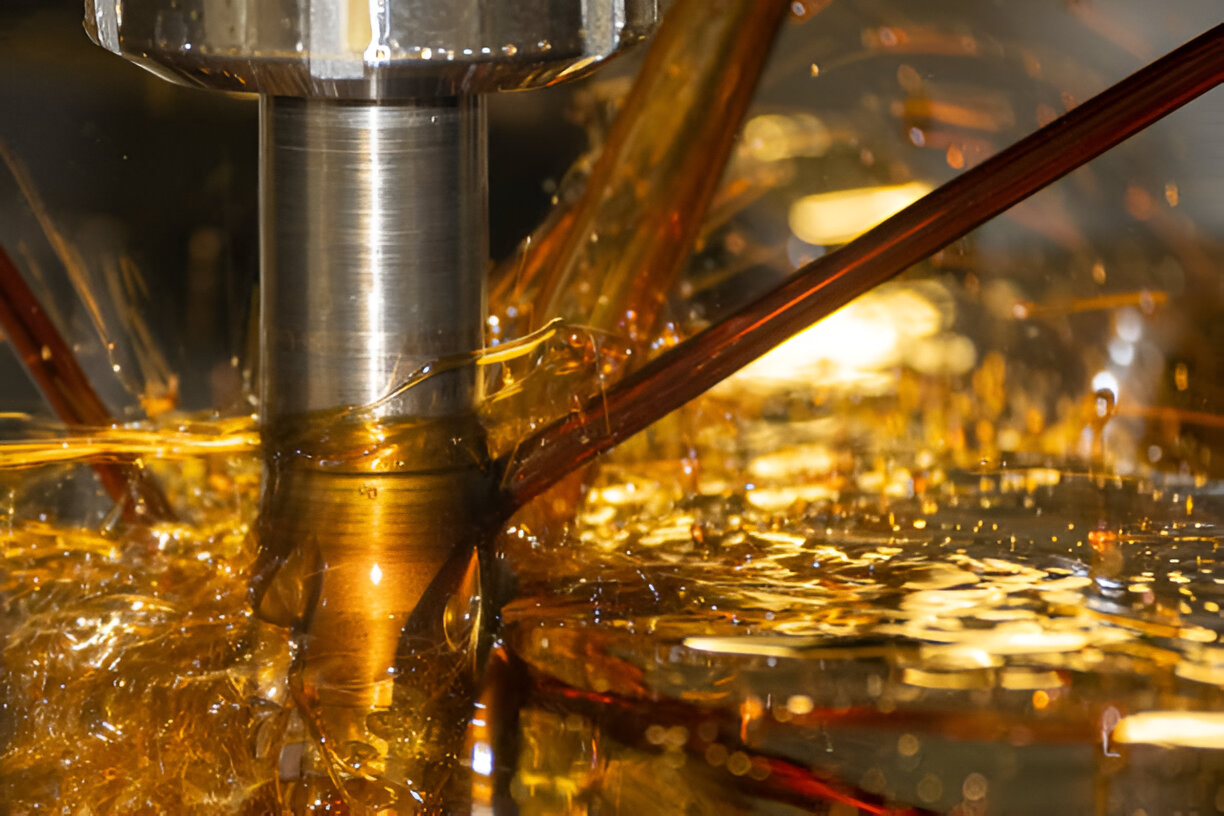
Lubricants play a vital role in maintaining the functionality, efficiency, and longevity of machinery and mechanical systems across various industries. Whether in automotive engines, industrial machinery, or household appliances, lubricants reduce friction, prevent wear, and help ensure the smooth operation of moving parts. They are indispensable in virtually all sectors of the economy, from manufacturing to transportation, construction, and beyond.
What Are Lubricants?
A lubricant is a substance, typically in liquid or semi-solid form, that is applied between two surfaces in relative motion to reduce friction and wear. Lubricants can be mineral-based, synthetic, or biodegradable, depending on their application and environmental considerations. They generally consist of base oils and additives designed to enhance specific performance attributes like viscosity, resistance to oxidation, and protection against corrosion.
Types of Lubricants
- Engine Oils: Engine oils are one of the most common types of lubricants, used primarily in automobiles and other types of vehicles. They are designed to keep engines running smoothly by reducing the friction between moving parts, minimizing wear and tear, and maintaining a stable operating temperature. High-quality engine oils also contain additives that help prevent deposits, sludge, and corrosion.
- Industrial Oils: Industrial lubricants are used in a wide range of heavy machinery and equipment, such as turbines, compressors, hydraulic systems, and gearboxes. These oils are formulated to withstand extreme conditions, such as high pressure, temperature fluctuations, and heavy loads, ensuring the efficient operation of industrial systems.
- Hydraulic Oils: Hydraulic oils are specialized lubricants used in hydraulic systems, including machinery in manufacturing, construction, and agriculture. These oils transmit power while also serving as a lubricant to protect the hydraulic components from wear and tear. Hydraulic oils need to be stable under pressure and resistant to foaming, oxidation, and corrosion to maintain system performance.
- Greases: Greases are semi-solid lubricants used in applications where liquid lubricants might leak out or fail to stay in place. They are commonly applied to bearings, gears, and joints in automotive and industrial equipment. Greases provide long-lasting lubrication and are particularly effective in preventing corrosion in harsh environments, such as exposure to water or dust.
- Specialty Lubricants: Specialty lubricants are designed for unique applications, such as food-grade lubricants used in food processing machinery, where contamination must be avoided. Other examples include high-temperature lubricants for use in furnaces or cryogenic lubricants for extremely low-temperature environments.
Importance of Lubricants in Machinery and Equipment
- Reducing Friction and Wear: The primary function of lubricants is to reduce friction between moving parts. This reduction in friction minimizes the wear and tear on machinery components, extending their lifespan and reducing the need for frequent repairs or replacements.
- Improving Efficiency: Lubricants enhance the efficiency of machinery by minimizing energy losses caused by friction. For example, well-lubricated engine components in automobiles reduce the energy required to move the vehicle, leading to better fuel efficiency. Similarly, lubricated industrial equipment can operate more smoothly and consume less power.
- Cooling Mechanisms: In addition to reducing friction, many lubricants also help dissipate heat generated during the operation of machinery. This cooling effect is crucial in preventing overheating, which can lead to equipment failure, breakdowns, or safety hazards.
- Preventing Corrosion and Rust: Lubricants provide a protective barrier that shields metal components from exposure to air and moisture, which can lead to corrosion and rust. This is particularly important in environments where machinery is exposed to harsh conditions, such as marine or outdoor applications.
- Sealing and Noise Reduction: In some cases, lubricants also serve as seals, preventing contaminants like dirt and debris from entering the machinery. This is especially important in systems like hydraulic machines, where clean operation is critical. Moreover, lubricants can reduce noise by cushioning the contact between metal components, creating quieter and smoother operation.
The Role of Lubricants in Industry and Economy
The lubricant industry plays a significant role in the global economy, supporting various sectors by ensuring machinery and equipment operate efficiently and reliably. The demand for lubricants spans a wide range of industries, including automotive, manufacturing, construction, agriculture, and aviation, among others.
In the automotive industry, engine oils and other lubricants are essential for keeping vehicles on the road and extending the life of engines. In manufacturing and industrial sectors, machinery lubricants are necessary for maintaining production processes and preventing costly downtime.
Furthermore, advancements in lubricant technology have led to the development of eco-friendly lubricants that reduce the environmental impact of industrial operations. Biodegradable lubricants, for example, are becoming more popular in industries where environmental regulations are strict, such as marine and agriculture.
Conclusion
Lubricants are essential to the smooth and efficient operation of modern machinery, whether in automobiles, industrial equipment, or hydraulic systems. By reducing friction, preventing wear, cooling components, and protecting against corrosion, lubricants help extend the life of machinery and ensure optimal performance. The widespread use of lubricants across multiple industries makes them an indispensable part of the global economy, contributing to enhanced productivity, energy efficiency, and sustainability.