
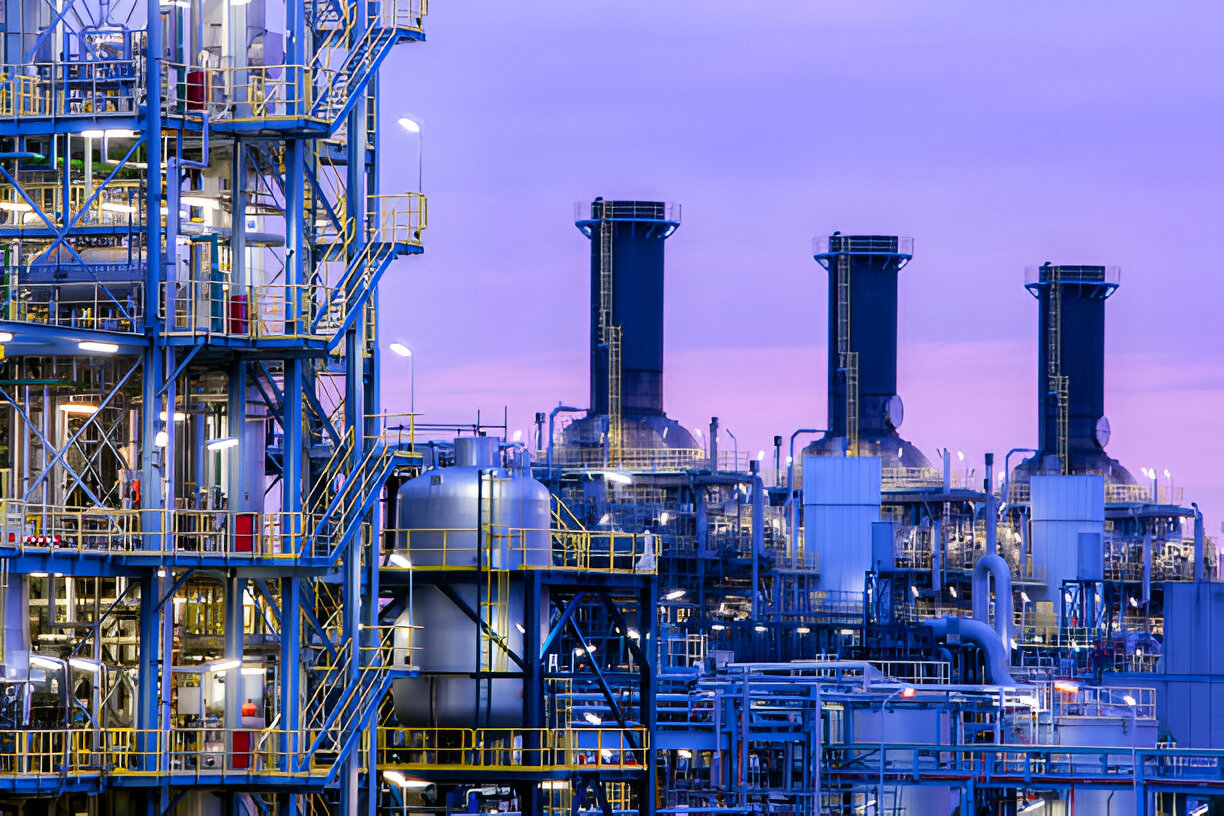
Industrial oils are essential fluids used across various sectors to ensure the smooth operation of machinery, equipment, and production processes. These oils are specially formulated to withstand the demands of industrial environments, offering superior lubrication, protection, and performance even under extreme conditions. They play a crucial role in improving efficiency, reducing wear, and extending the lifespan of industrial equipment.
What Are Industrial Oils?
Industrial oils are a broad category of lubricants used in various industries such as manufacturing, construction, mining, transportation, and energy production. Unlike conventional oils used in everyday machinery, industrial oils are designed to meet the rigorous requirements of heavy-duty applications. These oils are typically made from high-quality base oils and additives that enhance their performance under stress, high temperatures, and pressures.
There are many types of industrial oils, each serving a specific purpose depending on the machinery or system they are used in. Some of the most common types include hydraulic oils, turbine oils, compressor oils, gear oils, and circulating oils.
Types of Industrial Oils
- Hydraulic Oils: Hydraulic oils are perhaps one of the most widely used types of industrial oils. These oils are used in hydraulic systems, where they transfer power while also providing lubrication to the system’s moving parts. Hydraulic oils must have excellent thermal stability, anti-wear properties, and resistance to oxidation, as hydraulic systems often operate under high pressure and temperature.
- Gear Oils: Gear oils are specifically designed for lubricating gears in heavy machinery such as industrial gearboxes, mining equipment, and wind turbines. These oils need to have excellent anti-wear and load-carrying properties to prevent damage to the gears, which operate under extreme pressure and torque.
- Compressor Oils: Compressor oils are used in air compressors, which are critical components in various industrial processes. These oils need to provide optimal lubrication to prevent wear and tear on the compressor’s internal parts, as well as manage the heat generated during compression. Compressor oils also prevent carbon buildup and protect the system from corrosion.
- Turbine Oils: Turbine oils are used in steam, gas, and hydraulic turbines. These oils must perform well under high-speed and high-temperature conditions. They provide essential lubrication to prevent wear, while also helping to dissipate heat and protect against oxidation and rust.
- Circulating Oils: These oils are used in systems where oil is continuously pumped or circulated to lubricate moving parts, such as in large-scale manufacturing machinery or steel mills. Circulating oils need to have excellent thermal stability and be resistant to degradation, as they often operate in harsh environments.
Importance of Industrial Oils
- Improving Efficiency: Industrial oils help reduce friction between moving parts in machinery, leading to smoother operation and higher energy efficiency. Well-lubricated machines consume less energy, leading to lower operational costs and a reduced environmental impact.
- Reducing Wear and Tear: One of the key roles of industrial oils is to protect machinery from wear and tear. Industrial equipment often operates under high pressure, temperature, and load conditions, which can cause significant wear if not properly lubricated. By reducing friction and preventing metal-to-metal contact, industrial oils help extend the lifespan of equipment.
- Heat Management: Industrial oils also play a critical role in managing heat. Many industrial processes generate a significant amount of heat, and without proper cooling, machinery can overheat, leading to breakdowns or failures. Industrial oils help dissipate heat and maintain optimal operating temperatures.
- Protecting Against Contamination and Corrosion: In many industrial environments, machinery is exposed to dust, dirt, and moisture, which can lead to corrosion and contamination. Industrial oils provide a protective barrier that shields equipment from these external elements, preventing rust, corrosion, and contamination from affecting performance.