
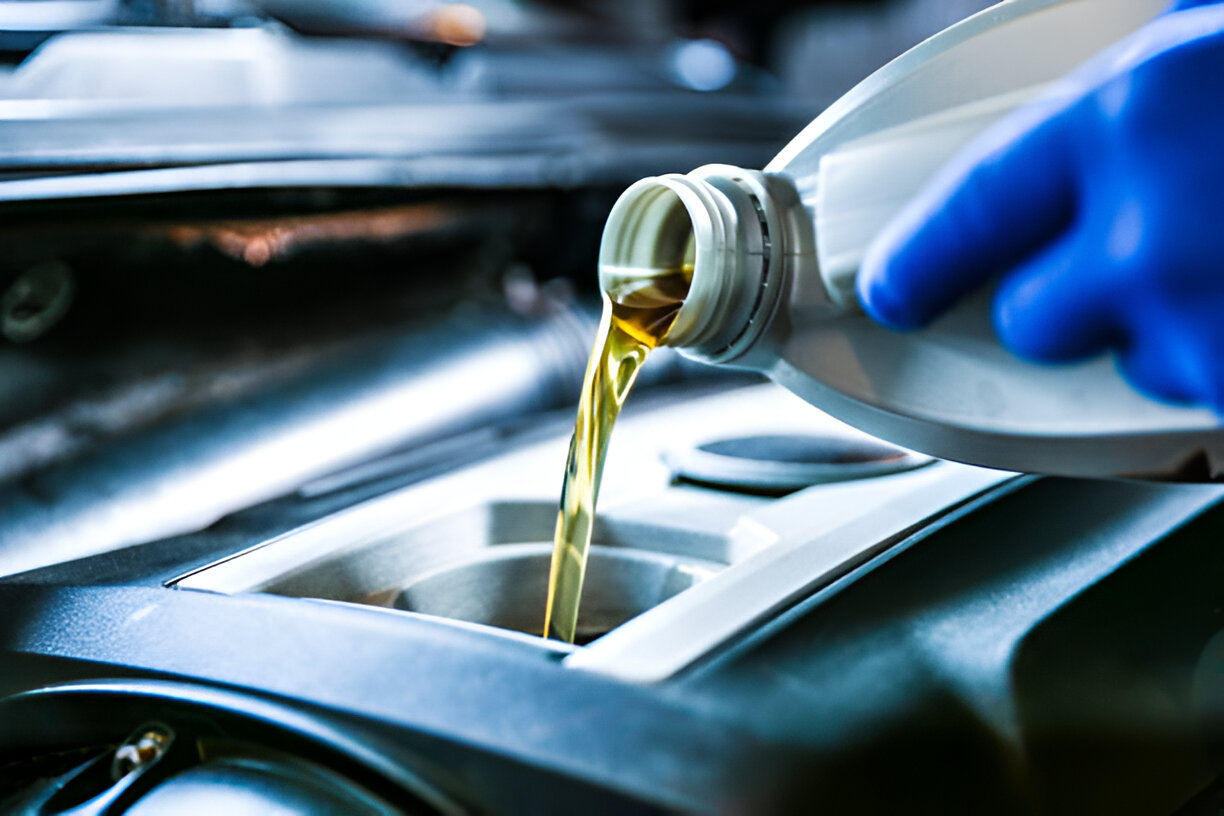
Engine oils play a crucial role in the performance and longevity of internal combustion engines. They serve multiple functions that ensure smooth operation, protect against wear, and improve overall engine efficiency. Without proper lubrication, an engine would experience rapid deterioration, overheating, and eventual failure. In this content, we’ll explore what engine oils are, their key functions, types, and how choosing the right engine oil can make a significant difference in both everyday vehicles and industrial machinery.
What is Engine Oil?
Engine oil is a specially formulated lubricant designed to reduce friction between the moving parts of an engine. It is typically made from a base oil—either mineral, synthetic, or a blend of the two—and contains various additives that enhance its performance. These additives might include detergents to keep the engine clean, anti-wear agents, and viscosity improvers that help maintain optimal oil thickness at different temperatures.
Key Functions of Engine Oils
- Lubrication: The primary function of engine oil is to reduce friction between engine components such as pistons, camshafts, and crankshafts. This lubrication minimizes wear and tear, ensuring smoother operation and extending the life of the engine. It also helps in improving fuel efficiency as the engine experiences less resistance during operation.
- Cooling: Engine oils aid in dissipating heat generated by friction and combustion. By absorbing this excess heat and transferring it away from critical areas, engine oils prevent overheating and help maintain optimal operating temperatures.
- Cleaning: Engine oils also serve as a cleaning agent by trapping dirt, debris, and combustion by-products. Detergent and dispersant additives help keep these contaminants in suspension, preventing them from depositing on engine parts and causing blockages or damage.
- Sealing: Engine oil creates a thin, protective film between engine components, acting as a sealant in areas such as piston rings and cylinder walls. This helps prevent leaks, improves compression, and ensures that the engine operates efficiently.
- Protection Against Corrosion: Modern engine oils are formulated with additives that protect metal surfaces from oxidation and corrosion, especially in environments with high humidity or exposure to contaminants like fuel or water.
- Reduction of Noise and Vibration: By providing a protective layer between moving parts, engine oil reduces engine noise and minimizes vibrations, resulting in smoother and quieter operation.
Types of Engine Oils
Engine oils come in several types, each with specific properties suited to different kinds of vehicles, machinery, and operating conditions:
- Conventional (Mineral) Oil: Derived from refined crude oil, conventional engine oil is the most basic type and is suitable for older vehicles or engines that operate under less demanding conditions. It is usually less expensive but may require more frequent oil changes due to its relatively lower durability compared to synthetic oils.
- Synthetic Oil: Synthetic engine oils are chemically engineered to provide superior performance and protection. These oils have excellent temperature stability, meaning they perform well in both extreme heat and cold. Synthetic oils also offer better lubrication, fuel efficiency, and longer service intervals compared to conventional oils.
- Semi-Synthetic (Synthetic Blend) Oil: As the name suggests, semi-synthetic oils are a blend of conventional and synthetic oils. They offer some of the benefits of synthetic oils, such as improved protection and temperature stability, but at a lower cost.
- High-Mileage Oil: Specially formulated for older vehicles with higher mileage, these oils contain additives designed to reduce leaks, restore seals, and improve engine longevity. High-mileage oils help maintain performance and efficiency in engines that have experienced more wear over time.
- Diesel Engine Oil: Diesel engines require oils with higher viscosity and additional additives to handle the higher pressures and temperatures they generate. Diesel engine oils are designed to provide extra protection against soot, corrosion, and high-temperature deposits.
How to Choose the Right Engine Oil
Choosing the right engine oil depends on several factors, including:
- Vehicle Type and Manufacturer Recommendations: Always consult your vehicle’s owner manual for the recommended oil type and viscosity. Using the correct oil is essential for optimal performance and avoiding potential damage.
- Viscosity Rating: Engine oils are rated by their viscosity, or thickness, using a code like “5W-30” or “10W-40.” The first number indicates the oil’s viscosity in cold temperatures (W stands for winter), while the second number represents its viscosity at normal operating temperatures. Thicker oils provide better protection at high temperatures, while thinner oils flow more easily in cold conditions.
- Operating Conditions: If you operate your vehicle in extreme climates—such as very hot or very cold weather—or under heavy loads (like towing), synthetic oils may offer better protection and performance than conventional oils.
- Mileage and Engine Age: For older vehicles, especially those with over 75,000 miles on the odometer, high-mileage oils are formulated with additives that help rejuvenate engine seals and reduce oil consumption.
- Additives: Some oils contain specialized additives that target specific engine needs, such as enhanced detergents for keeping engines clean or anti-wear agents for heavy-duty applications.
Conclusion
Engine oils are essential for the efficient and reliable operation of any engine, whether in passenger vehicles, commercial trucks, or industrial machinery. Their role in reducing friction, cooling, cleaning, and protecting engine components ensures that engines run smoothly and last longer. By choosing the right type of engine oil for your vehicle or equipment and adhering to regular oil change intervals, you can maximize performance, fuel efficiency, and longevity, while minimizing maintenance costs and downtime.