
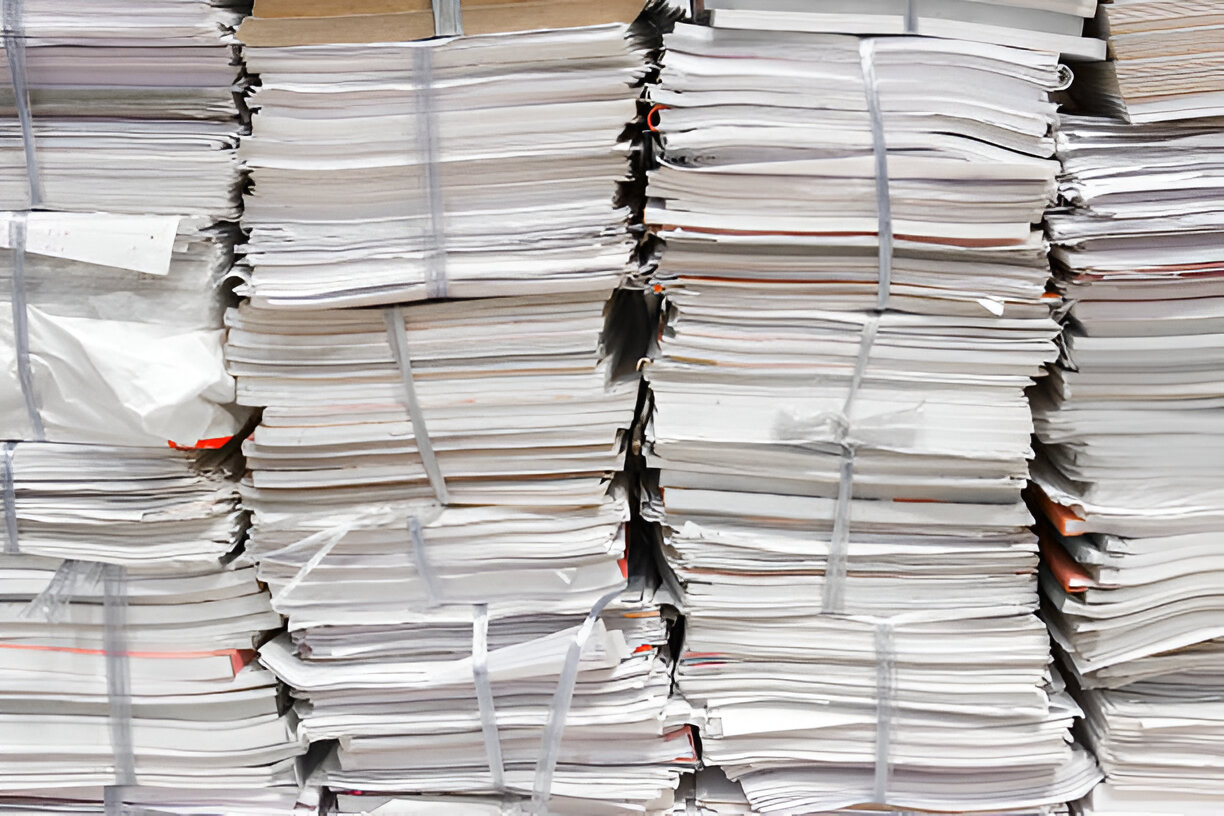
Waste paper trading is an integral component of the recycling industry, serving as a vital link in the process of converting discarded paper into reusable materials. In a world increasingly focused on sustainability and environmental responsibility, waste paper trading presents numerous benefits for businesses, consumers, and the planet. This article delves into the significance of waste paper trading, its processes, and its contributions to a greener future.
Understanding Waste Paper Trading
Waste paper trading involves the collection, processing, and sale of used paper products that can be recycled and transformed into new paper products. This sector encompasses a variety of paper types, including newspapers, magazines, cardboard, office paper, and packaging materials. The main objective of waste paper trading is to divert paper waste from landfills, reduce deforestation, and promote the circular economy.
The Process of Waste Paper Trading
- Collection: The first step in waste paper trading is the collection of discarded paper from various sources. This includes households, offices, schools, and industrial facilities. Effective collection methods often involve designated recycling bins, curbside pickup services, or drop-off centers, where consumers can deposit their recyclable paper waste.
- Sorting: Once collected, waste paper undergoes sorting to separate different types and grades of paper. Sorting can be performed manually or through automated systems that utilize technology to identify and categorize paper products. Proper sorting is crucial, as it ensures that recyclable paper is kept free from contaminants and non-recyclable materials.
- Processing: After sorting, the waste paper is processed to prepare it for recycling. This typically involves shredding the paper into smaller pieces, de-inking to remove printed inks, and pulping to create a slurry of fibers. The resulting pulp can then be dried and formed into sheets of new paper or other paper-based products.
- Trading: Once processed, recycled paper products can be sold to manufacturers who use them as raw materials for new paper production. Waste paper trading can occur locally or globally, depending on market demand and pricing dynamics. Various platforms, including online marketplaces and recycling cooperatives, facilitate these transactions.
Benefits of Waste Paper Trading
- Environmental Advantages: Waste paper trading has significant environmental benefits. By recycling paper, it reduces the volume of waste sent to landfills, mitigating issues such as landfill overflow and greenhouse gas emissions. Additionally, recycling paper conserves natural resources by decreasing the need for virgin timber, thus preserving forests and promoting biodiversity.
- Economic Opportunities: The waste paper trading industry generates economic opportunities by creating jobs in collection, sorting, processing, and sales. As demand for recycled paper increases, businesses in this sector can thrive, contributing to local economies and fostering innovation in sustainable practices.
- Promoting the Circular Economy: Waste paper trading is essential for establishing a circular economy, where materials are reused and repurposed rather than discarded. This practice encourages manufacturers and consumers to engage in more sustainable behaviors, ultimately leading to a reduction in overall resource consumption.
- Raising Awareness: Engaging in waste paper trading raises awareness about the importance of recycling and responsible consumption. When businesses and individuals participate in this market, they become more educated about their environmental impact and the value of sustainable practices.
Challenges in Waste Paper Trading
Despite its advantages, waste paper trading faces challenges, including fluctuating market prices, inconsistent quality of recycled paper, and inadequate recycling infrastructure in some regions. These obstacles can hinder the growth of the industry and limit its effectiveness in promoting sustainability.
Conclusion
Waste paper trading is a crucial practice that not only addresses the pressing issue of paper waste but also fosters a sustainable future for the planet. By facilitating the recycling of paper materials, this industry conserves resources, reduces environmental impact, and creates economic opportunities. As society becomes more conscious of its ecological footprint, the importance of waste paper trading will continue to grow. Embracing this practice is a meaningful step toward a greener and more sustainable world.