
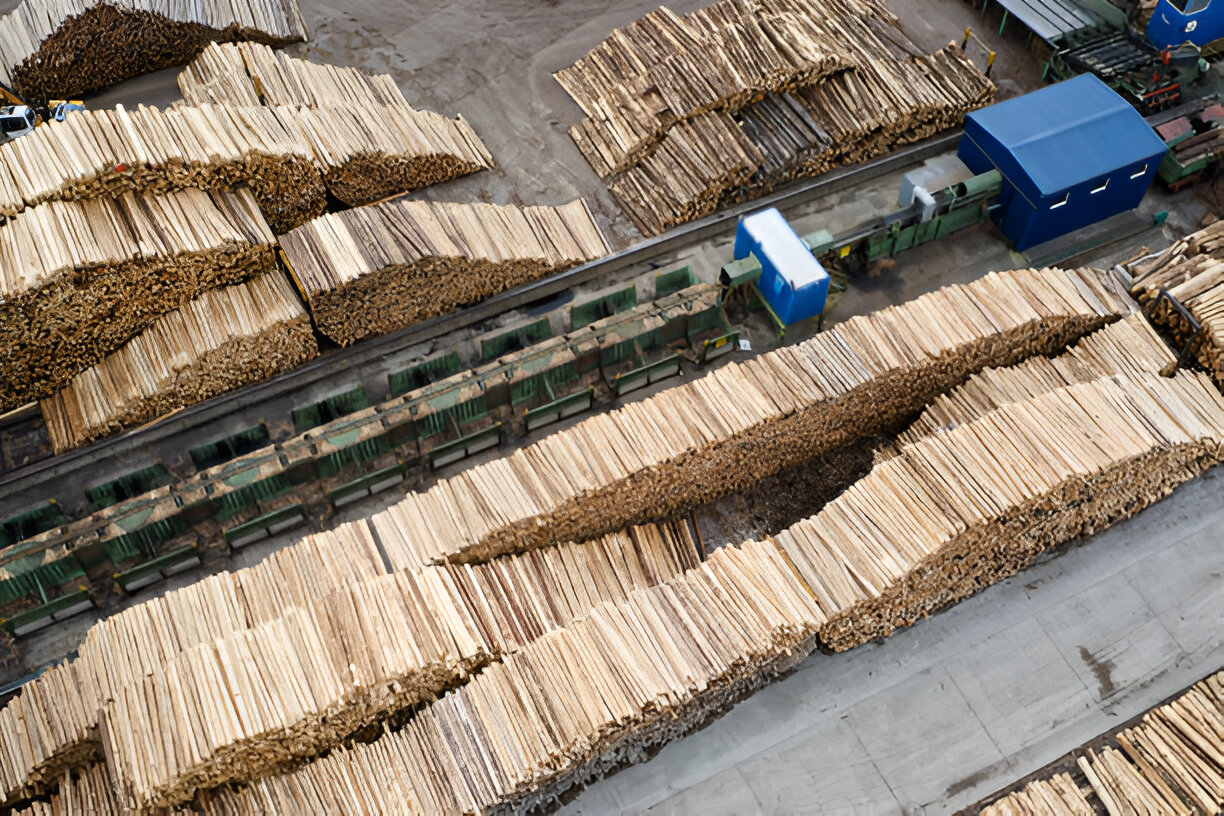
Charcoal and firewood have been used for centuries as primary sources of energy for heating, cooking, and industrial applications. Even with modern advances in energy sources, both continue to play crucial roles in various sectors. These organic materials are not only vital in traditional settings, but they are also essential for industries that require heat-intensive processes.
Charcoal: A Versatile Energy Source
Charcoal is created through the process of slow pyrolysis, where wood is burned in the absence of oxygen, removing water and other volatile substances. What remains is a carbon-rich material that burns at a high temperature and produces little smoke, making it an efficient and cleaner alternative to raw wood.
Applications of Charcoal
- Industrial Use: Charcoal plays a critical role in many industries. One of its key applications is in metallurgy, especially in iron and steel production. The high temperature and minimal impurity output make it ideal for smelting metals. Furthermore, activated charcoal, a processed form of charcoal, is widely used in filtration systems for purifying air and water, as well as in medical applications for treating poisonings and overdoses.
- Household Use: Charcoal is also commonly used in households, particularly in regions where it serves as a primary cooking fuel. In many developing countries, charcoal is preferred due to its affordability and availability. Its use extends to outdoor grilling and barbecuing, as it provides a long-lasting, consistent heat source that enhances the cooking process.
- Agricultural Use: Biochar, a type of charcoal used in agriculture, has gained popularity for its ability to improve soil fertility and retain water. It is used as a soil amendment, helping farmers reduce the need for chemical fertilizers while enhancing the soil’s nutrient content.
Firewood: A Traditional and Renewable Energy Source
Firewood, on the other hand, is the most basic form of biofuel. Derived from trees, it is one of the oldest forms of energy used by humans. Firewood remains a critical source of heat in many parts of the world, particularly in rural areas where access to modern energy infrastructure is limited.
Applications of Firewood
- Heating and Cooking: In many parts of the world, firewood is still the primary fuel for heating homes and cooking meals. In colder regions, firewood provides an affordable and reliable heat source, often used in wood-burning stoves and fireplaces. Its use in cooking, particularly in rural areas, continues to be significant, as it is readily available and inexpensive compared to other fuels like gas or electricity.
- Industrial Use: Firewood is also used in small-scale industries, such as brick-making and pottery, where intense heat is required. It is an essential resource in rural industries that may not have access to other forms of energy.
- Environmental Considerations: While firewood is a renewable resource, the sustainability of its use depends on responsible harvesting practices. Deforestation and overharvesting can lead to environmental degradation, affecting ecosystems and contributing to climate change. Sustainable practices, such as replanting trees and efficient burning techniques, are crucial for maintaining a balance between energy use and environmental health.
Importance in the Global Economy
Both charcoal and firewood play vital roles in the global economy, particularly in developing countries where they are major sources of energy. The production and trade of these resources create employment opportunities, from woodcutting and processing to transportation and retail. In rural areas, the sale of firewood and charcoal can be a significant source of income for families and small businesses.
Furthermore, these materials are often used in industries that contribute to local and national economies, such as agriculture, metallurgy, and construction. As global demand for sustainable energy sources grows, there is also an increasing interest in exploring more efficient ways to produce and utilize charcoal and firewood.
Environmental Impact and Sustainability
The environmental impact of charcoal and firewood usage depends on how they are sourced and used. Uncontrolled logging for firewood and charcoal production can lead to deforestation, soil erosion, and loss of biodiversity. However, sustainable practices, such as using fast-growing tree species and improving kiln efficiency, can mitigate these effects.
Moreover, using modern technology to produce charcoal with minimal emissions, as well as developing more efficient wood-burning stoves, can reduce the environmental footprint of these traditional fuels. As the world moves toward renewable energy, the focus on making charcoal and firewood more sustainable is becoming more critical.
Conclusion
Charcoal and firewood remain indispensable in many parts of the world, serving both traditional and industrial needs. Their versatility, affordability, and accessibility make them essential for daily life and industry. As the world seeks to balance energy needs with environmental sustainability, improving the production and usage of these biofuels will be key to their continued importance in the global energy landscape.