
Electrical equipment is a vital component in both residential and industrial settings, enabling the efficient and safe use of electricity. This category encompasses a wide range of devices and systems, from simple household appliances to complex industrial machinery. Understanding the importance of electrical equipment, its types, and its applications can help individuals and businesses make informed decisions regarding their electrical needs.
What is Electrical Equipment?
Electrical equipment refers to devices that operate using electrical energy. This includes a broad spectrum of items, such as switches, transformers, circuit breakers, generators, motors, and wiring systems. These components are designed to facilitate the generation, distribution, and utilization of electrical power. In essence, electrical equipment plays a crucial role in converting electrical energy into other forms of energy, such as mechanical energy or heat, depending on the application.
Types of Electrical Equipment
- Transformers: Transformers are essential for stepping up or stepping down voltage levels in electrical systems. They ensure that electricity is transmitted efficiently over long distances and is converted to usable levels for residential or industrial use. Properly functioning transformers are critical for maintaining system reliability and safety.
- Switches and Circuit Breakers: Switches control the flow of electricity in a circuit, allowing users to turn devices on and off. Circuit breakers protect electrical circuits from overload or short circuits by interrupting the flow of electricity when a fault is detected. These devices are vital for preventing electrical fires and protecting equipment from damage.
- Generators: Generators convert mechanical energy into electrical energy, providing backup power during outages or supplying power to remote locations. They come in various sizes and types, from portable generators for home use to large-scale generators for industrial applications.
- Motors: Electric motors are devices that convert electrical energy into mechanical energy. They are widely used in various applications, including appliances, conveyor systems, and industrial machinery. Different types of motors, such as AC and DC motors, are suited for specific applications based on their operating principles and efficiency.
- Lighting Systems: Lighting equipment, including LED, fluorescent, and incandescent bulbs, is a crucial aspect of electrical systems. Efficient lighting not only enhances safety and productivity but also contributes to energy savings and environmental sustainability.
- Wiring and Cabling: Wiring systems distribute electrical power throughout a building or facility. High-quality wiring and cabling are essential for ensuring safe and reliable electrical connections. Various materials and insulation types are available to suit different environments and applications.
Applications of Electrical Equipment
- Residential Use: In homes, electrical equipment powers appliances, lighting, heating, and cooling systems. Understanding the requirements for residential electrical equipment is essential for ensuring safety and efficiency in everyday living.
- Industrial Applications: In industrial settings, electrical equipment is critical for operating machinery, controlling processes, and ensuring worker safety. Proper selection and maintenance of electrical equipment can lead to increased productivity and reduced operational costs.
- Commercial Use: In commercial buildings, electrical equipment is essential for lighting, heating, cooling, and powering various systems. Effective management of electrical equipment in commercial settings contributes to energy efficiency and cost savings.
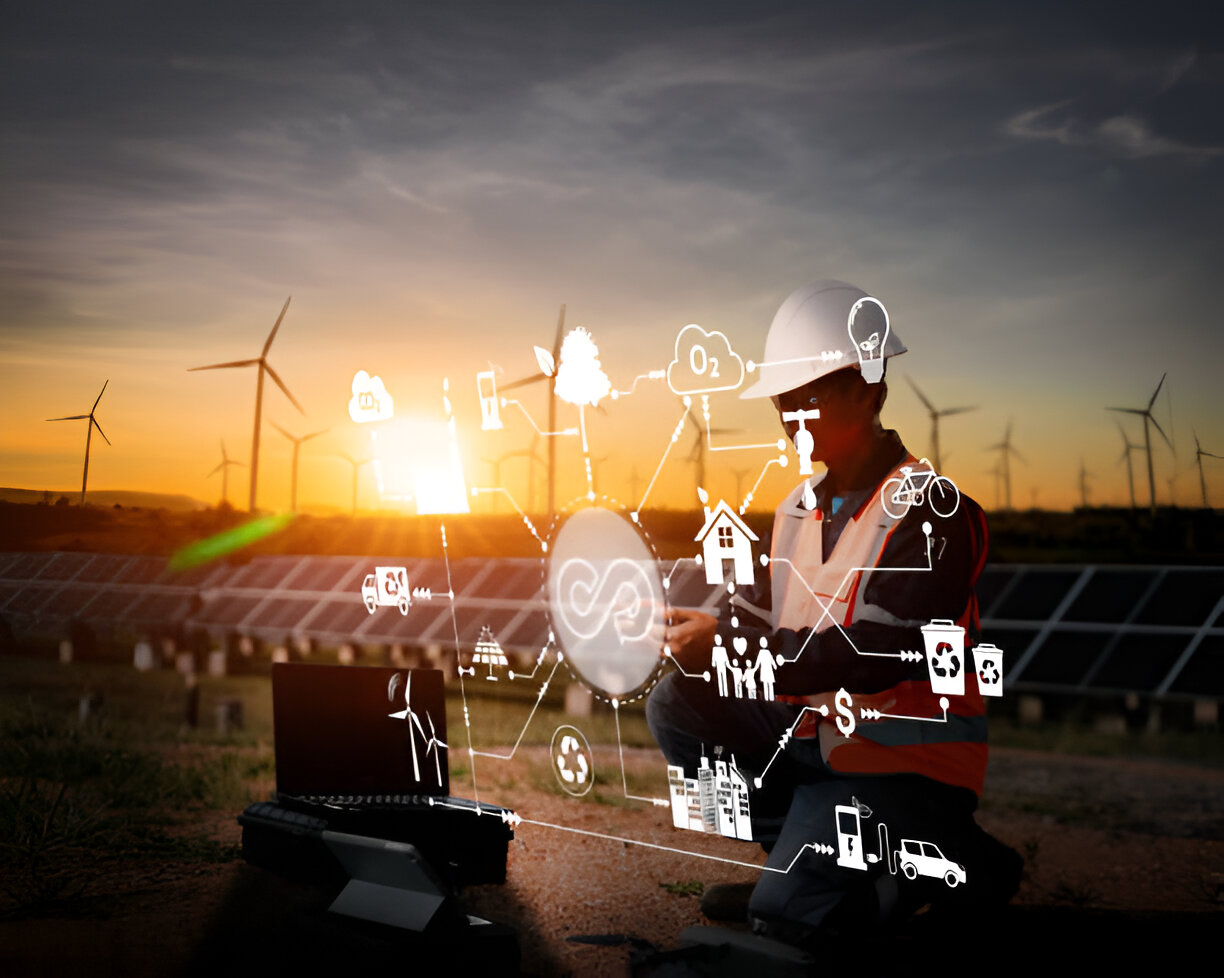
- Renewable Energy: With the growing emphasis on sustainability, electrical equipment is increasingly used in renewable energy systems, such as solar panels and wind turbines. These systems convert natural resources into usable electrical energy, contributing to a greener future.
Importance of Quality Electrical Equipment
Investing in high-quality electrical equipment is crucial for ensuring safety, reliability, and efficiency. Poor-quality equipment can lead to electrical failures, fires, and costly downtime. Therefore, businesses and homeowners must prioritize quality when selecting electrical equipment.
Conclusion
Electrical equipment is a cornerstone of modern society, powering homes, industries, and commercial establishments. Understanding the various types of electrical equipment, their applications, and the importance of quality can help users make informed decisions. Whether you are upgrading your home’s electrical system or maintaining industrial machinery, investing in reliable electrical equipment is essential for safety and efficiency in the long run. By choosing the right equipment, you can ensure a seamless electrical experience and contribute to a more sustainable energy future.