
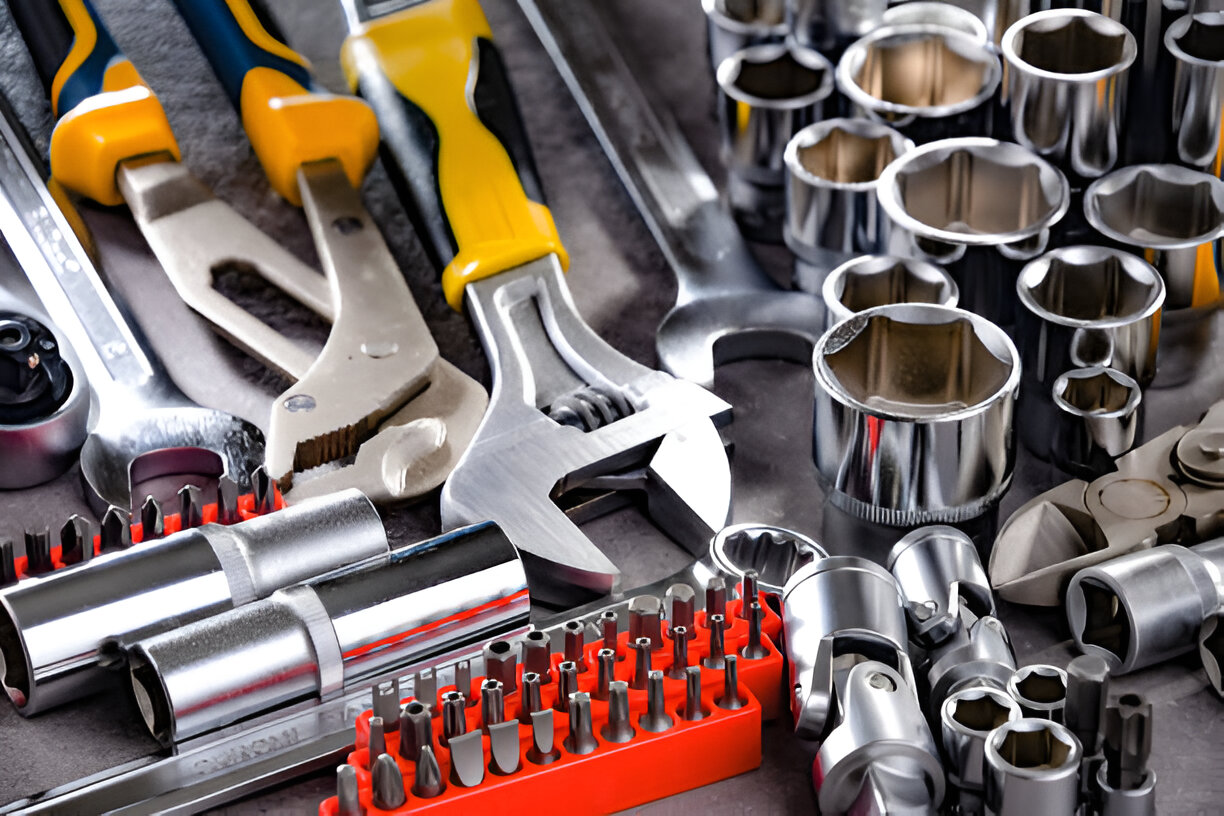
Instruments play a vital role across a wide range of industries, from manufacturing and engineering to scientific research and healthcare. These precision tools are designed to measure, control, and monitor different variables, ensuring that processes run smoothly and efficiently. In industries where accuracy and reliability are crucial, high-quality instruments are indispensable for maintaining standards and achieving optimal performance.
The Importance of Instruments in Industry
- Precision and Accuracy: In any industrial or scientific environment, the need for precision cannot be overstated. Instruments such as gauges, meters, sensors, and control devices allow operators to monitor critical parameters like temperature, pressure, speed, and fluid levels. Whether it’s maintaining the ideal temperature in a chemical reaction or ensuring precise tolerances in manufacturing processes, the accuracy provided by these instruments directly impacts the quality of the final product.
- Efficiency and Productivity: Modern instruments have revolutionized industries by automating many tasks that were once done manually. Automation through the use of advanced instruments has significantly increased productivity by minimizing human error, reducing downtime, and speeding up processes. For example, flow meters in a factory can regulate liquid or gas flow, ensuring consistent operations without requiring constant human supervision.
- Safety and Compliance: In industries like oil and gas, pharmaceuticals, and construction, the correct use of instruments is essential for maintaining safety. Instruments such as gas detectors, safety interlocks, and pressure relief valves are crucial in preventing hazardous situations. Moreover, many industries are subject to strict regulations that require the use of certified instruments to comply with safety and environmental standards. Failing to use proper instruments could lead to dangerous outcomes, regulatory fines, or legal consequences.
- Data Collection and Analysis: Instruments don’t just measure and monitor; they also collect valuable data. In today’s data-driven industries, companies use instruments to gather critical operational data that can be analyzed to improve processes, reduce waste, and enhance efficiency. Instruments like temperature sensors, pressure monitors, and digital loggers provide real-time data, enabling businesses to make informed decisions and optimize their operations.
Types of Instruments
Instruments can be broadly classified based on their application:
- Measuring Instruments: These are used to measure physical quantities such as length, volume, weight, and temperature. Examples include calipers, micrometers, thermometers, and scales.
- Control Instruments: Instruments such as valves, regulators, and actuators are used to control processes and ensure that they stay within specified limits.
- Monitoring Instruments: Devices like pressure gauges, flow meters, and oscilloscopes are used to monitor the performance and behavior of systems in real-time.
- Analytical Instruments: Common in laboratories and research environments, analytical instruments include spectrometers, chromatographs, and pH meters, which are used for testing and analyzing samples.
The Role of High-Quality Instruments
The quality of instruments used in any industry is paramount. A low-quality or faulty instrument can lead to inaccurate measurements, inefficient processes, and even dangerous situations. This is why companies invest in high-quality, reliable instruments from reputable suppliers. These instruments not only ensure accuracy but are also durable and built to withstand the demands of industrial environments.
Conclusion
Instruments are the backbone of modern industry, ensuring that processes are efficient, safe, and precise. By investing in the right instruments, businesses can increase productivity, maintain high safety standards, and make data-driven decisions that lead to continual improvement. As industries evolve, the demand for advanced, accurate, and reliable instruments will continue to grow, cementing their importance in both industrial and scientific fields.