
Waste plastic trading plays a crucial role in addressing the global plastic waste crisis. With millions of tons of plastic generated every year, managing this waste effectively has become a pressing concern for businesses, governments, and environmental organizations. The trading of waste plastics not only promotes recycling and resource recovery but also contributes to a more sustainable economy. This article explores the importance of waste plastic trading, its processes, and its benefits for the environment and the economy.
Understanding Waste Plastic Trading
Waste plastic trading involves the buying and selling of discarded plastic materials that can be processed and recycled into new products. This sector includes a variety of plastic types, such as polyethylene, polypropylene, polystyrene, and polyvinyl chloride, among others. The primary goal of waste plastic trading is to divert plastic waste from landfills and oceans, reducing environmental pollution and promoting the circular economy.
The Process of Waste Plastic Trading
- Collection: The first step in waste plastic trading is the collection of plastic waste from various sources, including households, businesses, and industrial facilities. Collection can be done through designated recycling bins, drop-off centers, or curbside pickup services. Proper segregation of plastics is essential to ensure that recyclable materials are not contaminated by non-recyclable waste.
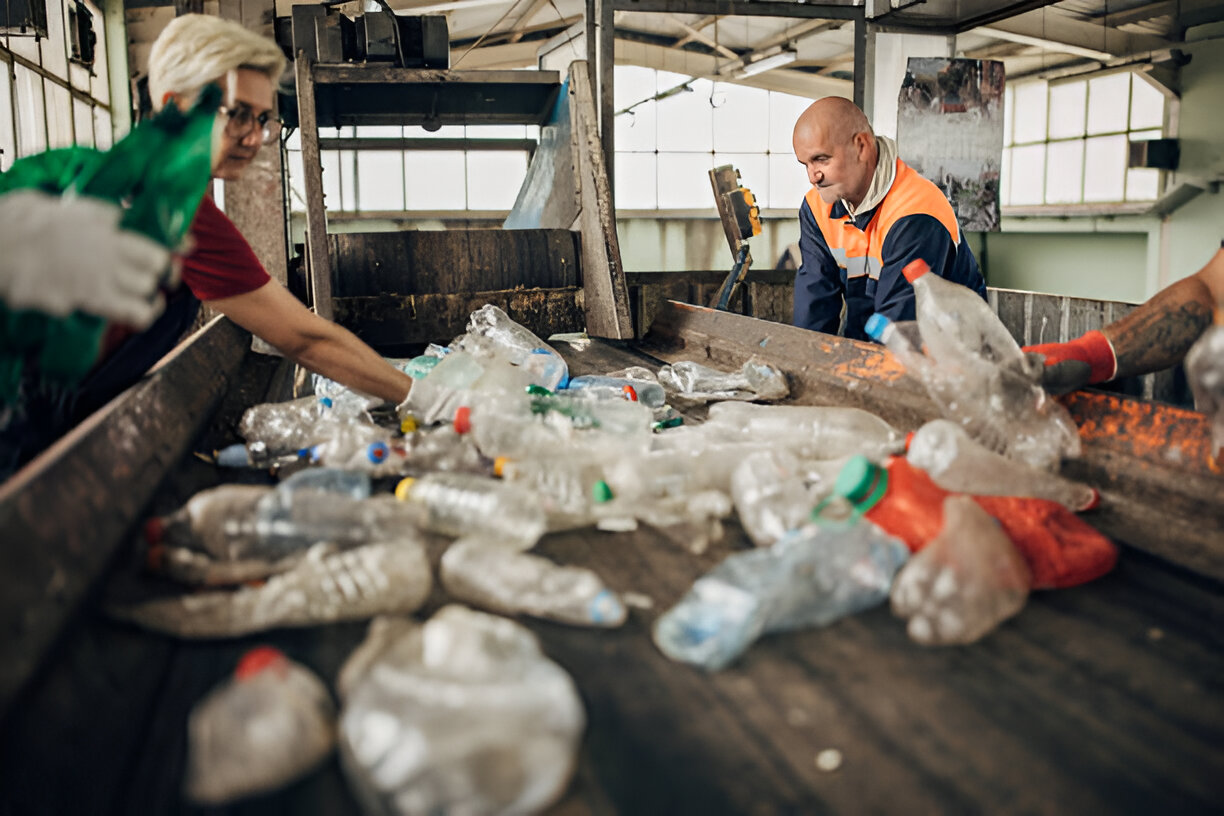
- Sorting: Once collected, plastic waste is sorted based on its type and grade. Sorting can be done manually or through automated systems using advanced technology, such as infrared sensors and air classifiers. The goal is to separate different plastic types to ensure they can be processed efficiently during recycling.
- Processing: After sorting, the plastic waste undergoes processing, which typically involves shredding, washing, and granulating. This step prepares the plastics for recycling by removing contaminants and converting them into manageable sizes for further processing.
- Trading: Once processed, the recycled plastics can be sold to manufacturers who use them as raw materials for new products. Waste plastic trading can take place locally or internationally, depending on demand and market conditions. Various platforms, including online marketplaces and recycling cooperatives, facilitate the trading process.
Benefits of Waste Plastic Trading
- Environmental Impact: One of the primary benefits of waste plastic trading is its positive impact on the environment. By diverting plastic waste from landfills and oceans, this practice helps reduce pollution and conserve natural resources. Recycling plastic reduces the need for virgin materials, thereby lowering energy consumption and greenhouse gas emissions associated with plastic production.
- Economic Opportunities: The waste plastic trading industry creates economic opportunities by generating jobs in collection, sorting, processing, and sales. As demand for recycled plastics continues to grow, new businesses and markets emerge, contributing to local economies and promoting sustainable practices.
- Circular Economy: Waste plastic trading is a key component of the circular economy, which aims to minimize waste and maximize resource use. By facilitating the recycling of plastics, this sector helps create a closed-loop system where materials are reused, reducing the environmental impact of plastic production and disposal.
- Raising Awareness: Engaging in waste plastic trading can raise awareness about the importance of recycling and responsible plastic use. Consumers and businesses that participate in this market are more likely to adopt sustainable practices and advocate for better waste management solutions.
Challenges in Waste Plastic Trading
Despite its benefits, waste plastic trading faces several challenges. Market fluctuations, fluctuating prices, and inconsistent quality of recycled materials can hinder the growth of the industry. Additionally, the lack of proper recycling infrastructure in some regions limits the effectiveness of waste plastic trading.
Conclusion
Waste plastic trading is an essential practice that addresses the global plastic waste crisis while promoting sustainability and economic growth. By facilitating the recycling of plastic materials, this industry contributes to a cleaner environment, conserves resources, and creates economic opportunities. As awareness of plastic pollution continues to grow, the importance of waste plastic trading will only increase. Embracing this practice is a step towards a more sustainable future for our planet.